

.png)
Can reducing meat intake be good for our health?
- thefitfoodnerd
- May 30, 2020
- 4 min read


At the moment Veganism , vegetarian and flexitarian (reducing meat) is becoming a popular trend. In a way I think it’s fantastic that people are passionate about protecting our environment and the welfare of the animals, only if it is done in a way that doesn’t complicate their health. Consuming a plant based diet requires a lot of planning to ensure that nutritional needs are being met. I believe you can still consume a mainly plant based diet and still consume ethically- sourced animal foods, you can still be kinder to the environment and reap the nutritional benefits too. In one way we are a quite lucky in Ireland when it comes to the quality of meat; we usually have grass- fed beef, wild-caught fish and free-range pork.
The western diet consists mainly of white refined carbohydrates and unhealthy-fats-meaty type of protein sources. People mainly neglect their vegetables as they don’t have the taste for it or they may only have one portion of veg with their dinner a day. Unfortunately I also see many vegetarians and vegans living on veggie sausage rolls, heavily processed fake meats, french fries and the likes as it is so easily accessible and convenient. These types of foods are nutrient deficient and if consumed on a regular basis it can cause complications to physical and mental health. Some restaurants/cafes can be quite poor at offering vegetarian and vegan choices, usually it is a minimal nutritious offering such as heavy creamy mushroom risotto or a tomato based white pasta dish with very little vegetables. However, thankfully it is improving in most places and good quality, healthy vegetarian/vegan specific places are popping up which is fantastic to see.

There are some benefits to your health by consuming less meat in your diet;
1. Making the transition from a heavily influenced western diet to a more plant based can be hugely beneficial to your health if you are introducing a variety of vegetables and nutritious wholegrains into your diet. You are now adding a combination of micronutrients such as vitamins and minerals into your diet that you may not have consumed before. Vegetables and wholegrains are also rich in fibre which leads to optimum gut health. It is important that you make the transition slowly and healthily. Start with meat free dishes a couple times a week. One to start with could be a chickpea vegetable curry instead of a chicken curry, from this transition alone you may have added extra portion of vegetable or two into your daily intake.
2. Reducing meat can lead to weight-loss. When cutting back your meat intake you are naturally replacing your processed meats and other foods with more plant based foods in which are lower in calories and are highly nutritious. Therefore by consuming more plant based foods in your diet has a positive knock on effect if you are struggling to lose weight, you may notice a difference in your waistline.
3. If you eat a diet consisting of wholegrains, beans, pulses, nuts and vegetables with the occasional serving of meat and fish, this will naturally reduce the risk of heart disease and type 2 diabetes. It not because you have just reduced meat, it is because you have added more fibre and micronutrients into your diet. As I mentioned before; if vegans/vegetarians are continuing to consume white carbohydrates, refined sugars and hydrogenated fats even though they are technically ‘plant based’ it is not going to reduce the risks of heart disease and type 2 diabetes. So choose wisely!
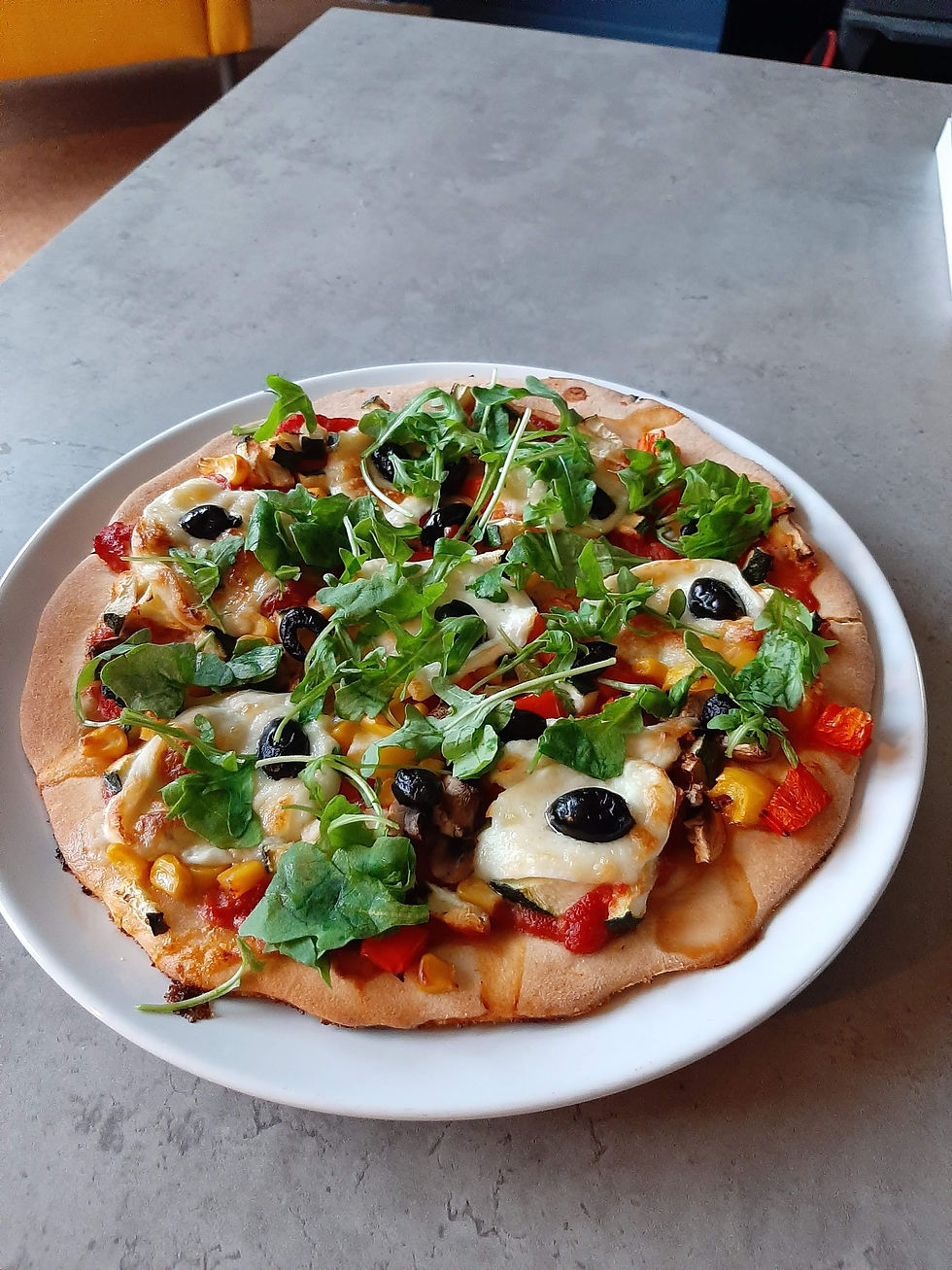
Is there enough protein in a vegetarian diet?
People do get worried about “There’s not enough protein in a vegetarian diet!”. As I have said before, if you eat a wide variety of wholegrains, pulses, lentils, seeds, nuts combined with yogurts, cheese, eggs your protein intake will rack up. If you occasionally eat meat and fish then even better! If you only eat white refined carbs, fatty and starchy-type foods you might struggle. We need 0.8grams of protein per our kilo body weight and perhaps more if doing heavy weightlifting sessions or have a very active lifestyle. In some cases you might need or want to supplement protein but ensure you opt for protein powders that are relatively clean and have little ingredients. Too much artificial sweeteners, additives and a long list of other ingredients in protein powders can have a negative impact on the body if consumed too much and body is not using it. Unflavoured Hemp, green pea or brown rice protein powder is usually a good call. You can add them to your smoothies, oats or pancakes and flavour them with natural foods such as banana, cacao or berries.
Did reducing meat work for me?
Eating mainly vegetarian foods has been so beneficial to my digestive health; I eat a lot more vegetables and wholegrains now. It took some time, but I have found the right balance of how much meat, fish I want and need in my diet and I usually crave vegetarian foods more. Now that I am pregnant I do have more cravings for meat than I did before, when I ate one portion of meat every day for four days in a row, my stomach felt awful and I got indigestion, so I went a couple of weeks without meat and I felt great again. So now during pregnancy I will have meat or fish maybe once or twice a week simply because I want it and I’m not depriving myself from it!!
So folks….The key to long term optimum health is a balanced and varied diet with a combination of food from all macro and micronutrients sources and allow yourself some of your favourite treats for sustainability. It sounds simple and boring but it works! :)


Comments